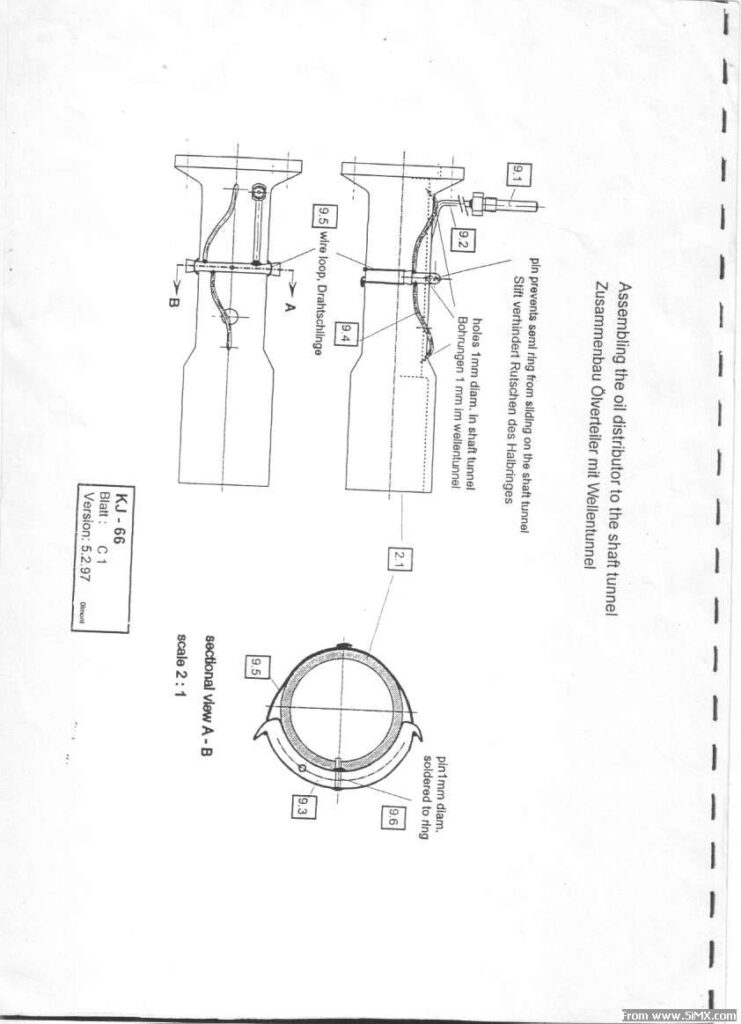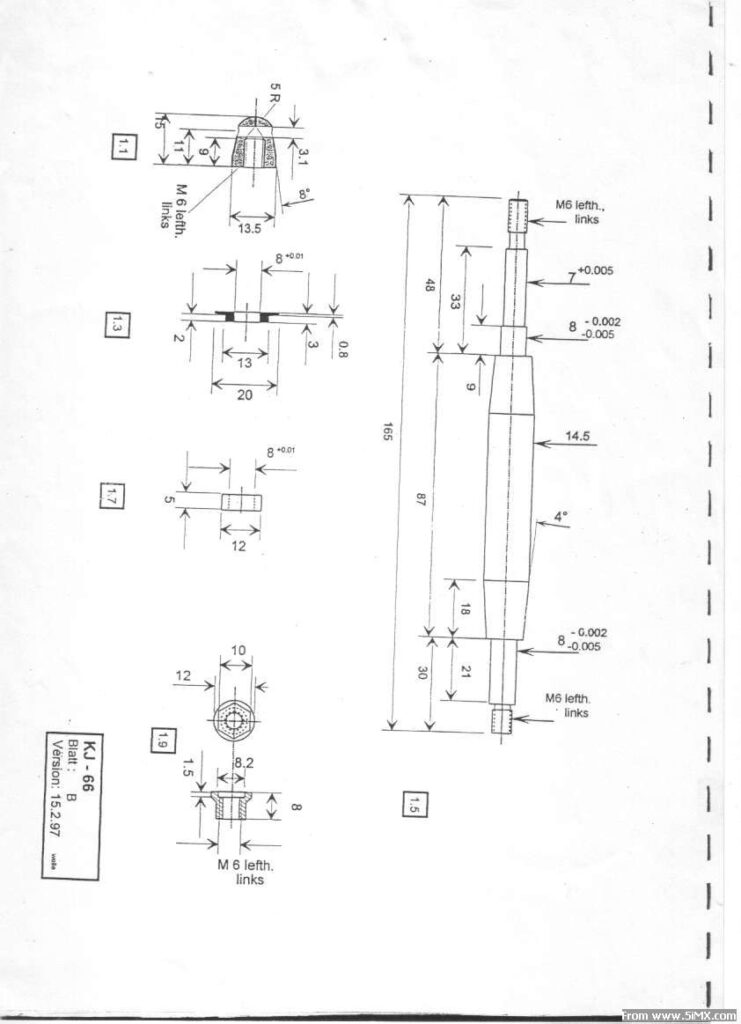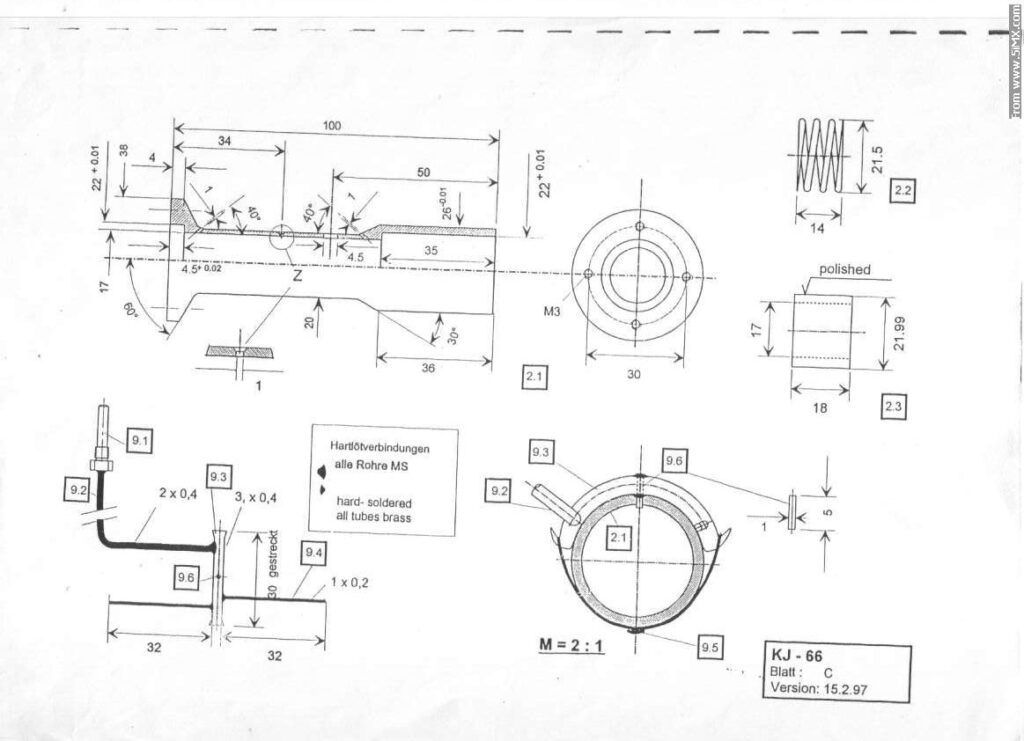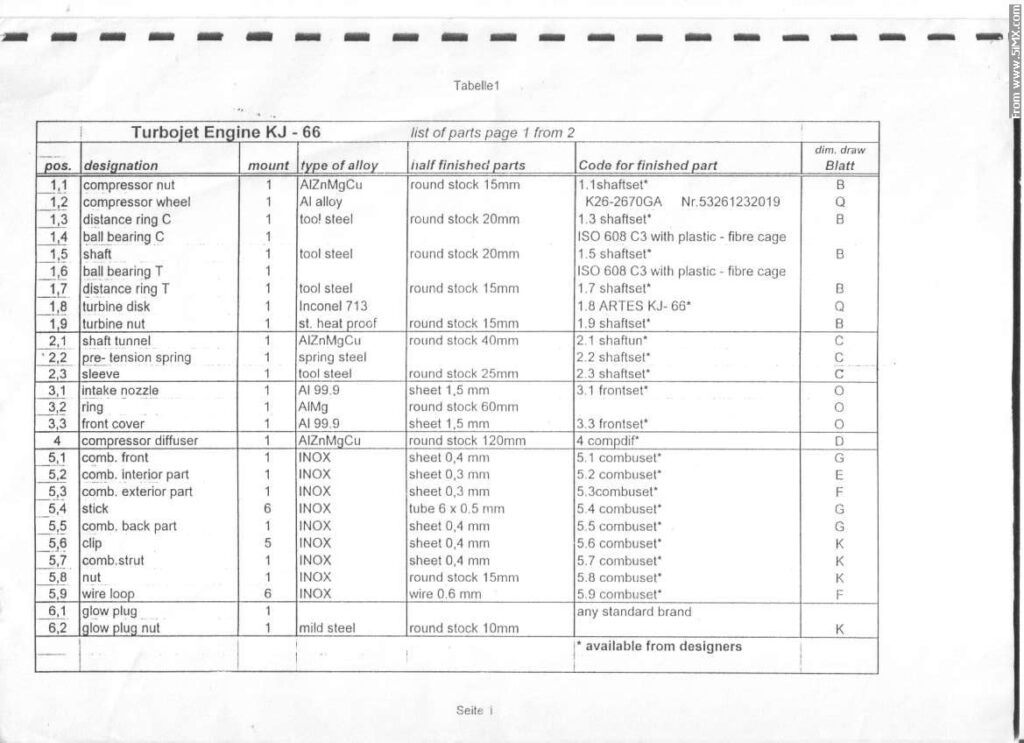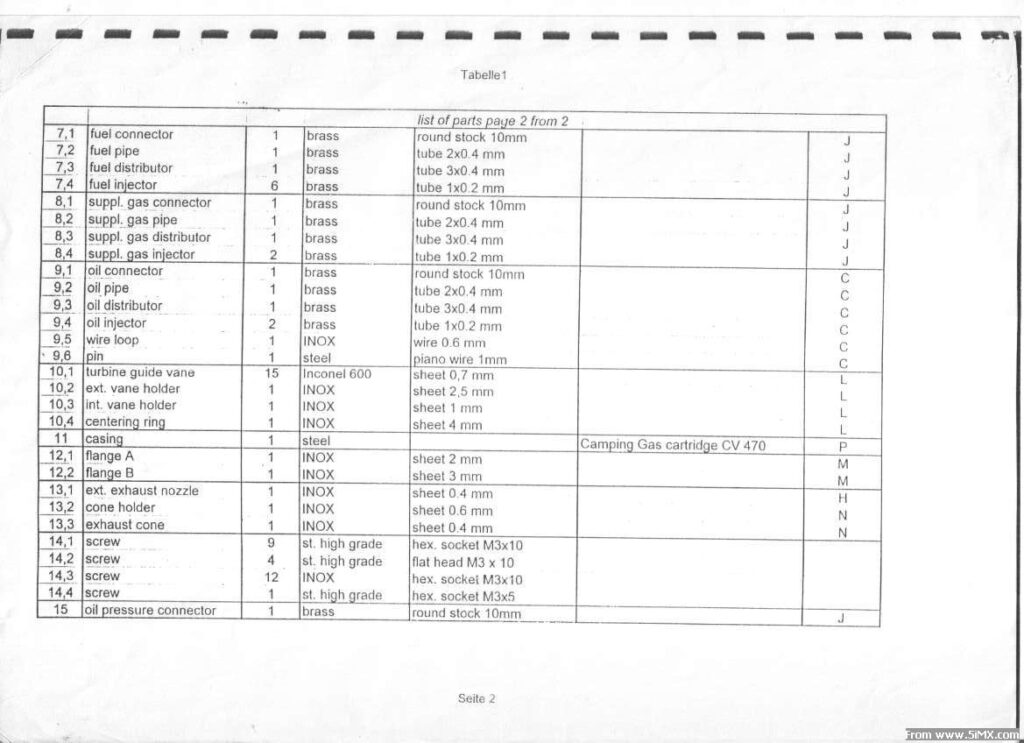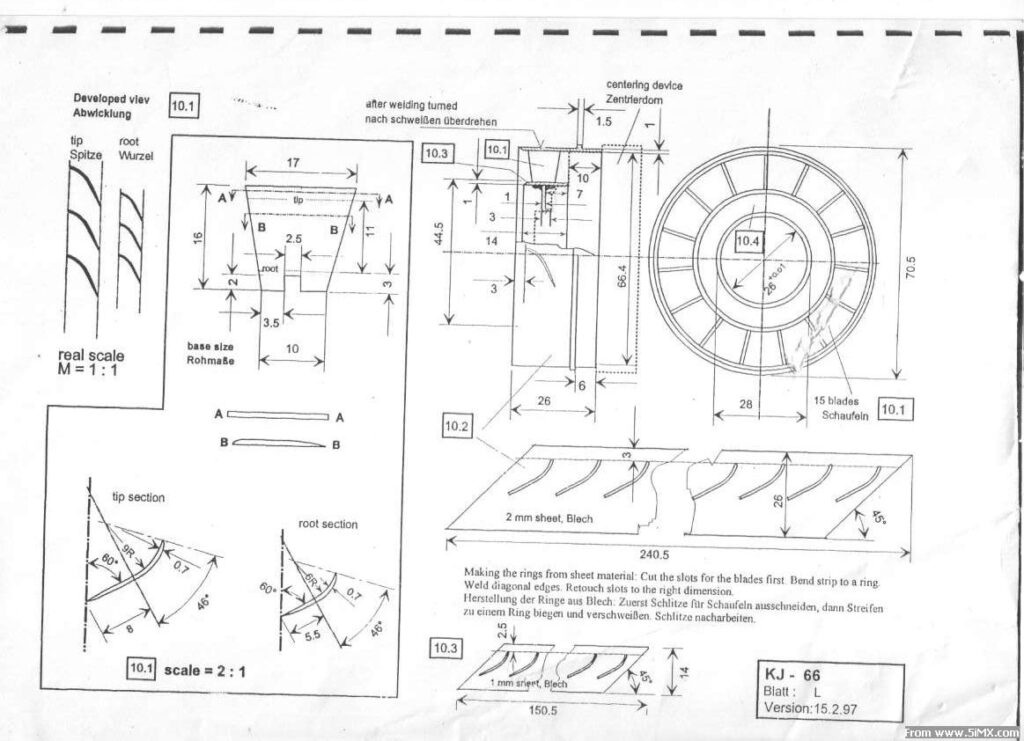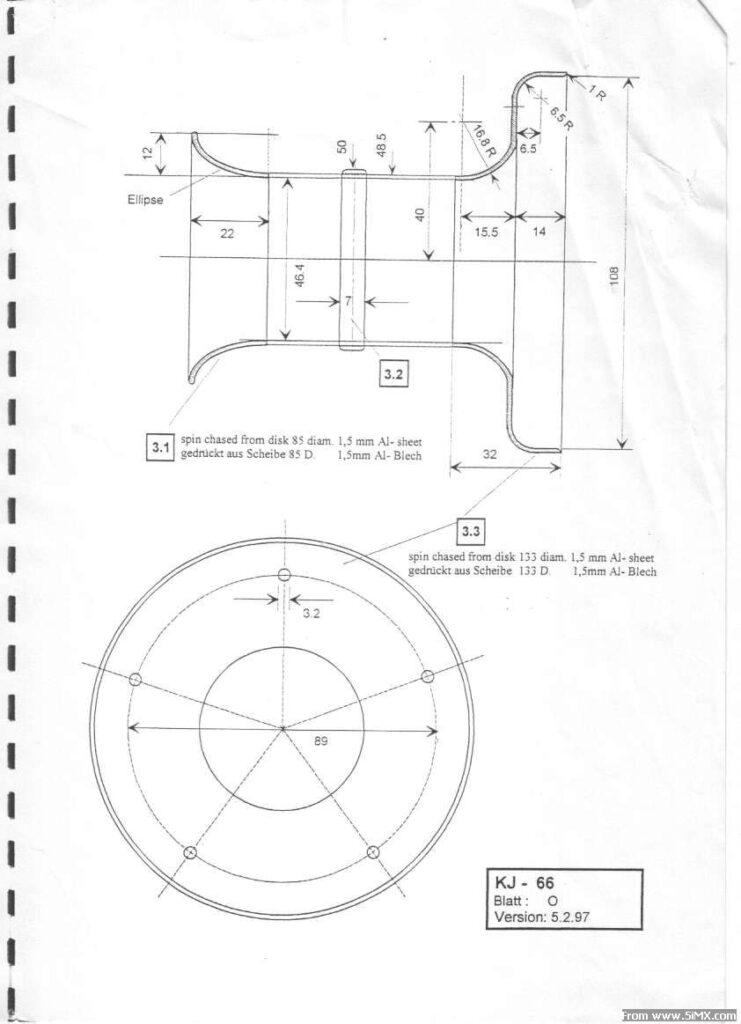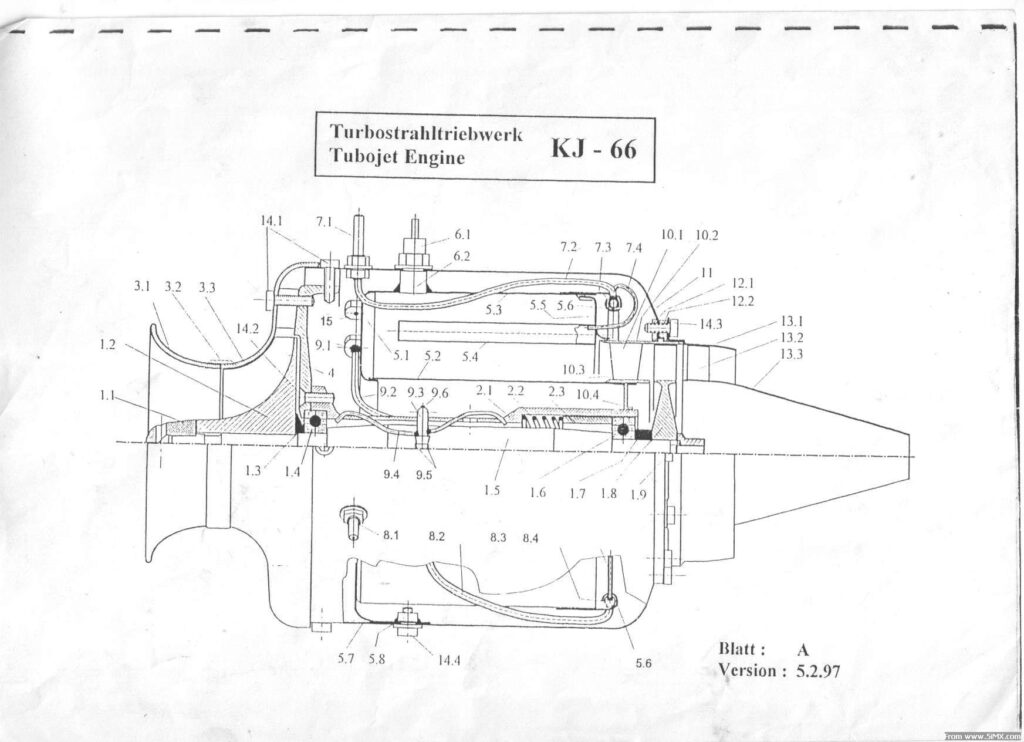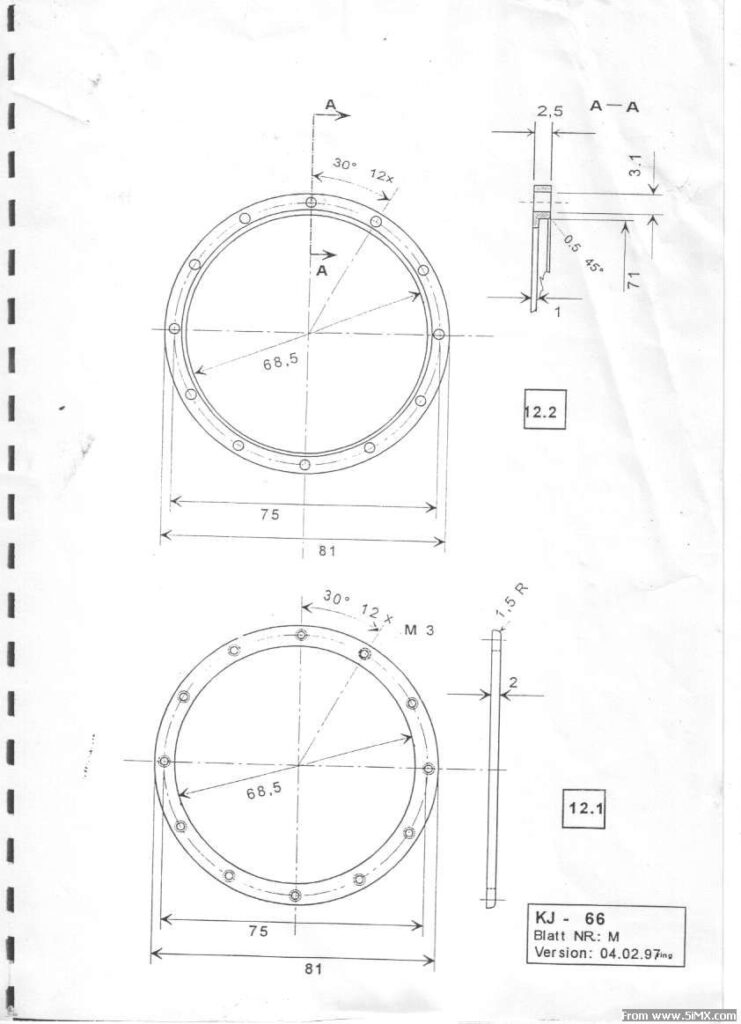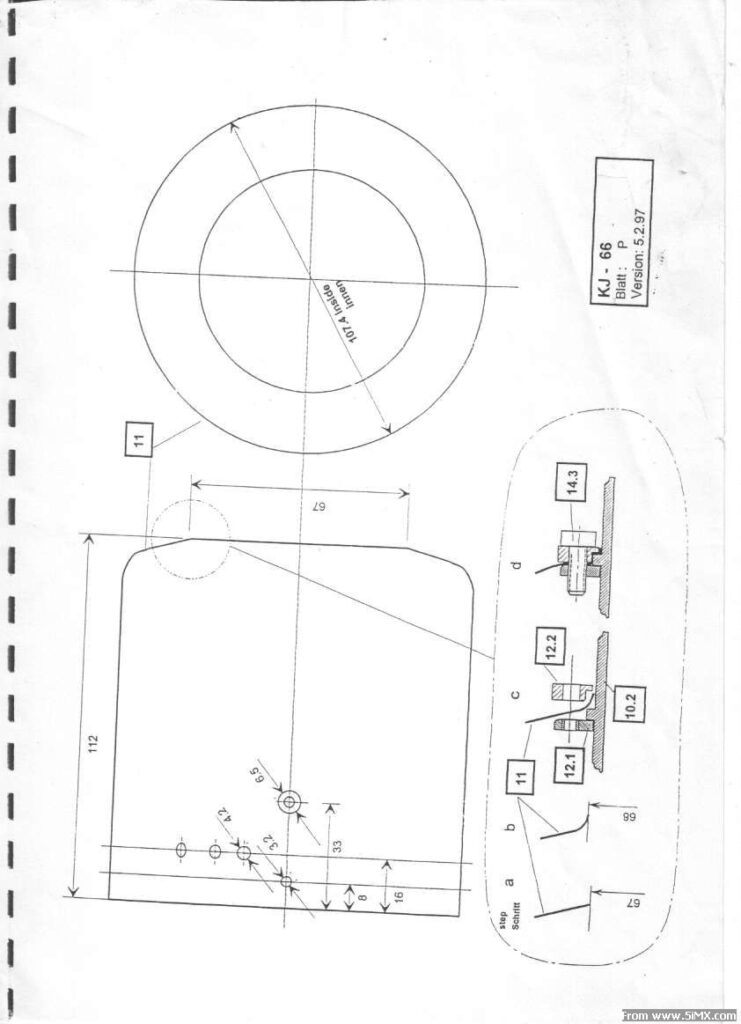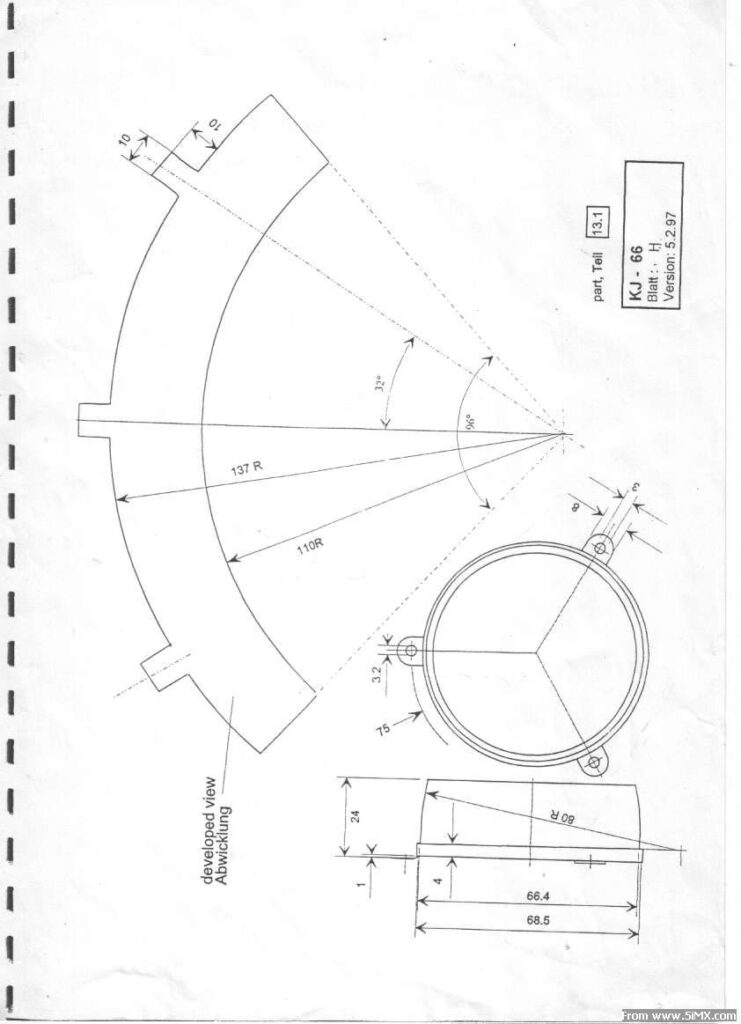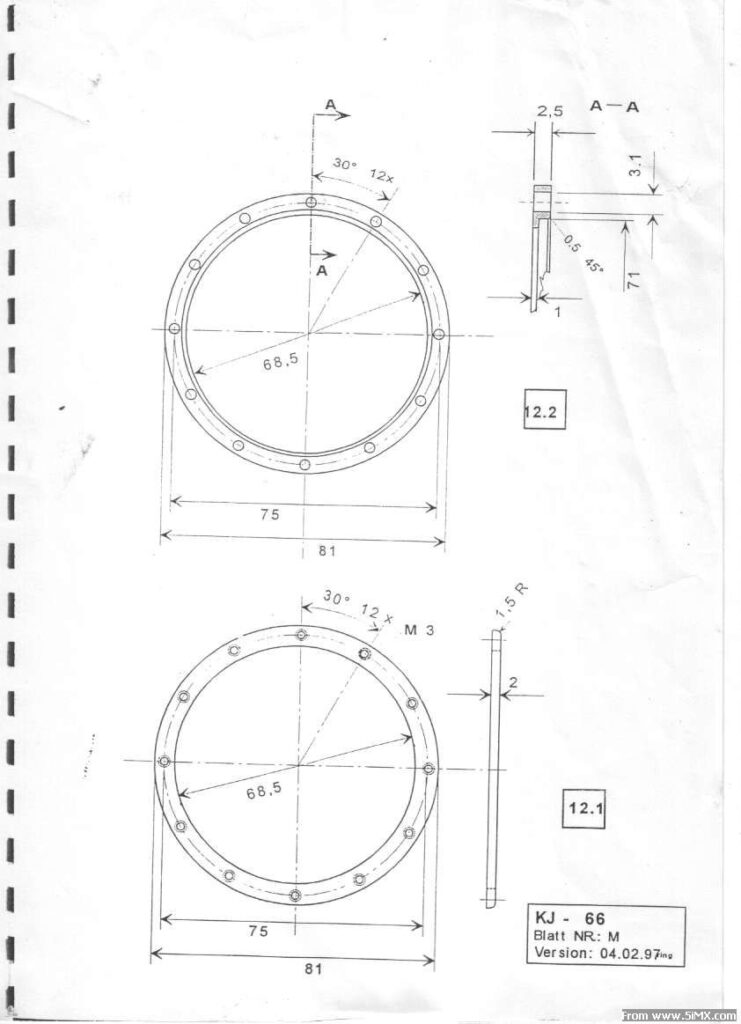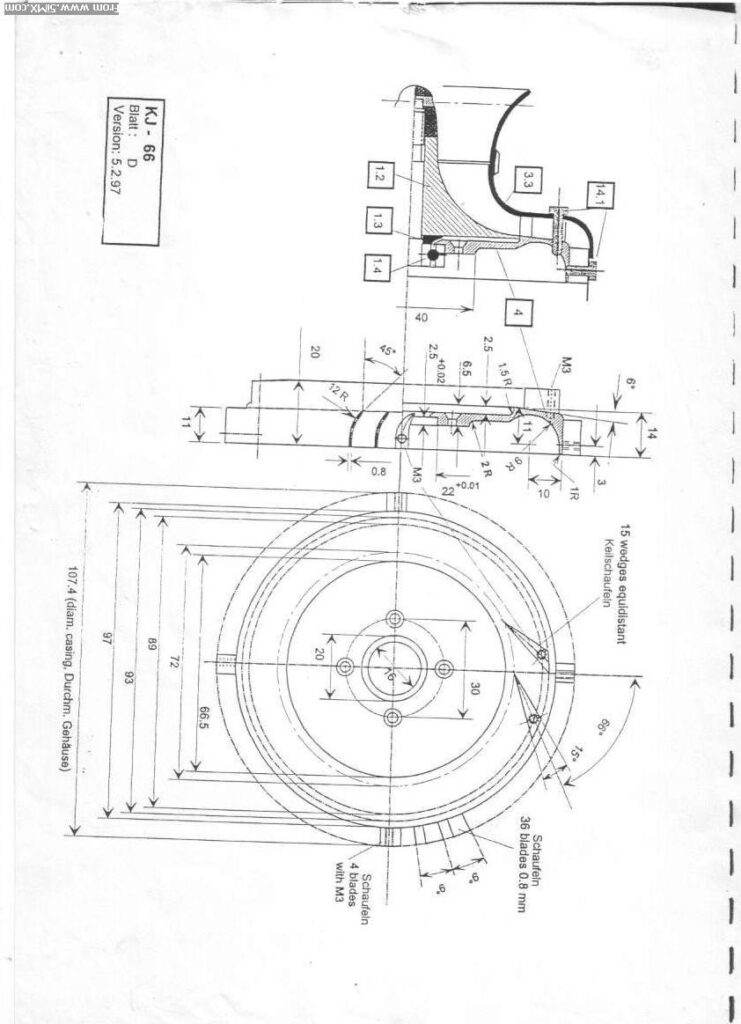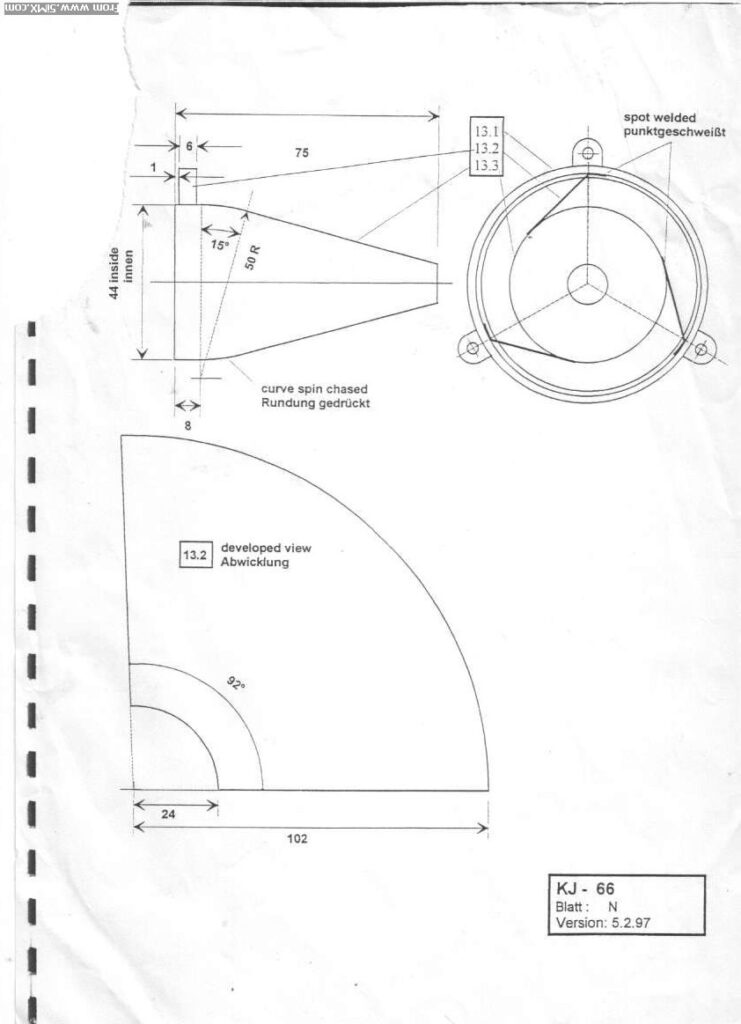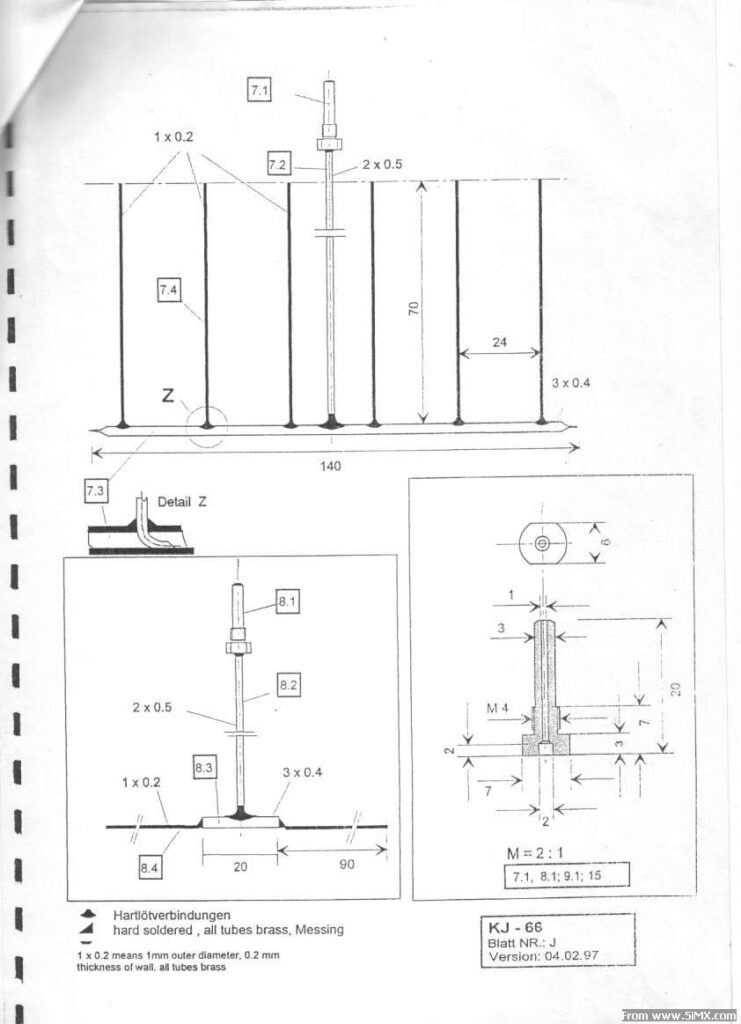

KJ-66 engine Detail drawing
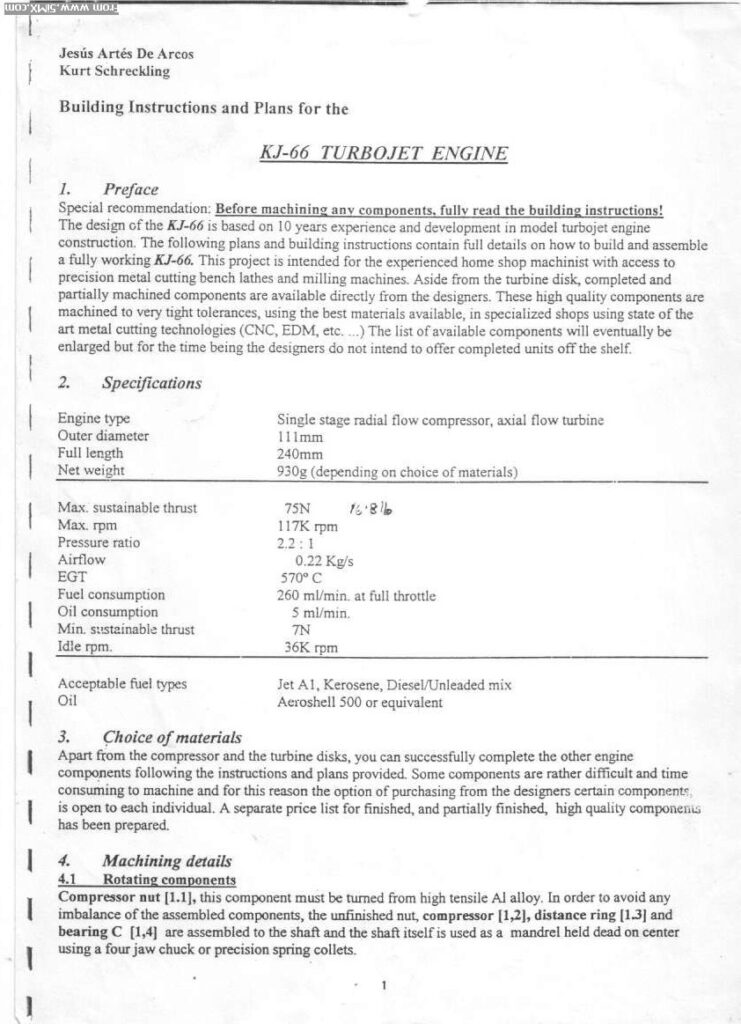
The KJ-66 is a miniature turbojet engine specifically designed for experienced home shop machinists with access to precision metal cutting lathes and milling machines. It was designed by Jesús Artés De Arcos and Kurt Schreckling.
1. Engine Type & Core Structure
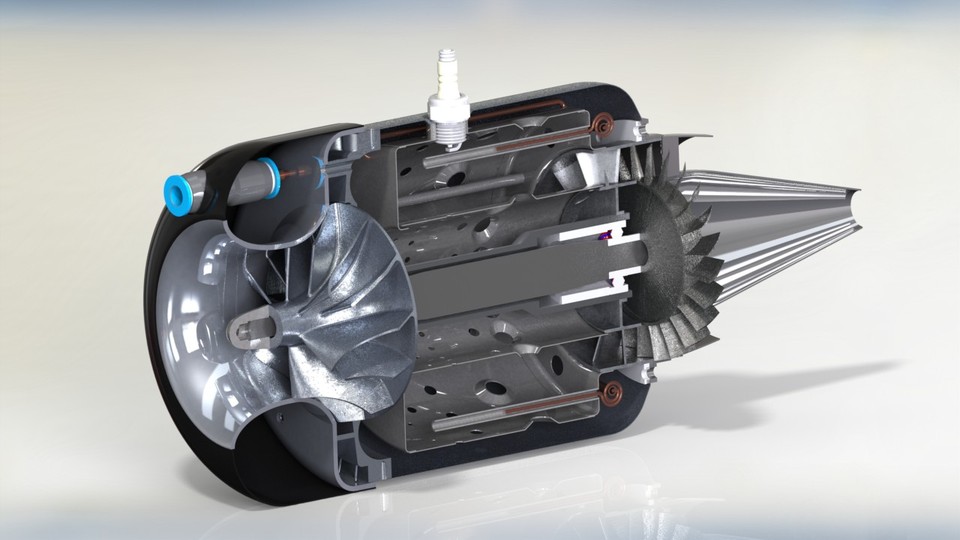
- Design: The engine features a single-stage radial flow compressor and an axial flow turbine.
- Layout: According to the cross-sectional blueprint, air enters through the front intake, is compressed by the compressor wheel, and enters the central combustion chamber where it mixes with fuel. The expanding exhaust gases drive the rear turbine (which powers the compressor via a shaft) before exiting the nozzle to create thrust.
2. Core Specifications
- Dimensions & Weight: The engine has an outer diameter of 111mm, a full length of 240mm, and a net weight of approximately 930g (depending on the choice of materials).
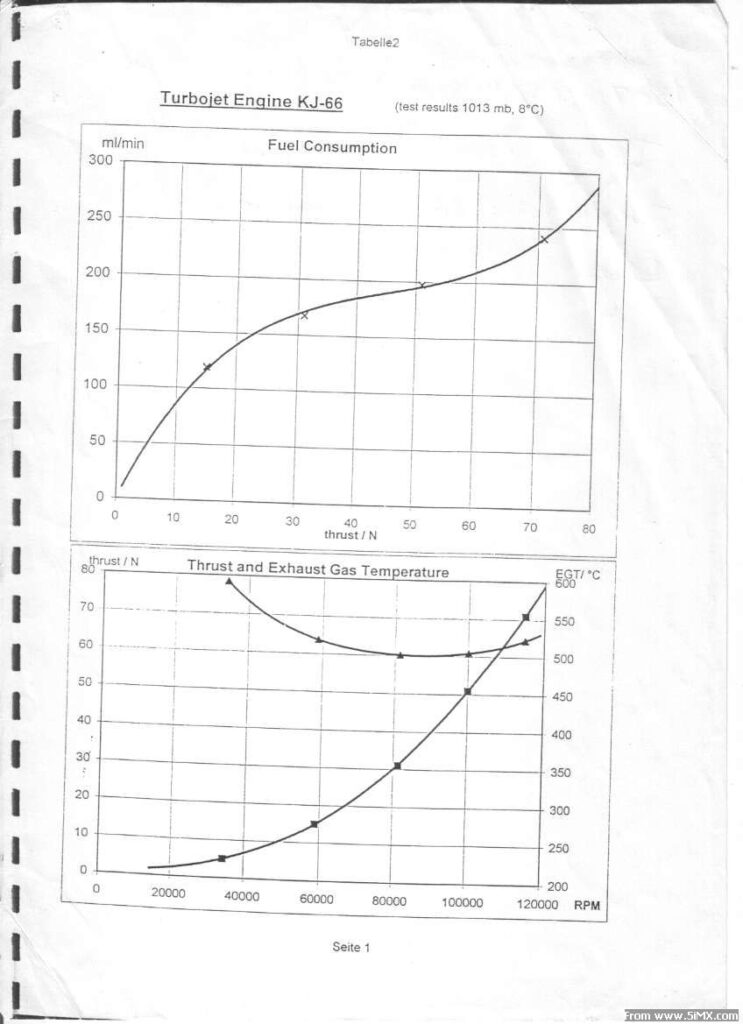
- Thrust Performance: It generates a maximum sustainable thrust of 75N and has a minimum sustainable thrust of 7N.
- RPM & Aerodynamics: The engine reaches a maximum speed of 117,000 RPM and idles at 36,000 RPM. It has a pressure ratio of 2.2:1 and processes an airflow of 0.22 Kg/s.
- Temperature: The nominal Exhaust Gas Temperature (EGT) is 570°C. Test result graphs show that both thrust and EGT increase significantly as the RPM climbs toward its maximum.
3. Fuel & Lubrication System
- Fuel: The engine can run on Jet A1, Kerosene, or a mix of Diesel and Unleaded gasoline. At full throttle, fuel consumption is 260 ml/min.
- Lubrication: It uses Aeroshell 500 or equivalent oil, with an oil consumption rate of approximately 5 ml/min.
4. Key Components & DIY Characteristics Because this project is intended for home builders, the design incorporates clever, easily accessible materials:
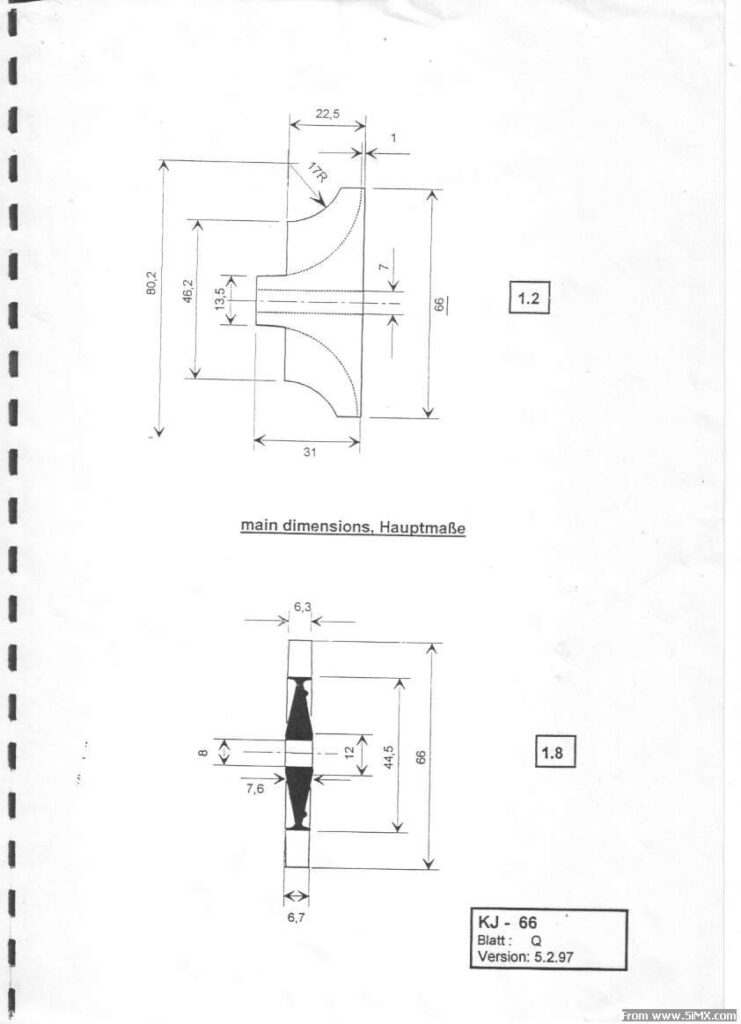
- Compressor Wheel: Builders do not need to machine or balance this part; the plans specify using a KKK-manufactured spare part originally made for automotive turbochargers.
- Turbine Disk: This is a critical high-temperature component cast from INCONEL 713. It can be purchased directly from the designers as a finished part or as a blank that requires careful machining and balancing.
- Engine Casing: In a highly resourceful design choice, the main engine casing is made by modifying an empty CV 470 Camping Gas cartridge. Builders simply remove the factory paint and machine the ends to specific dimensions.
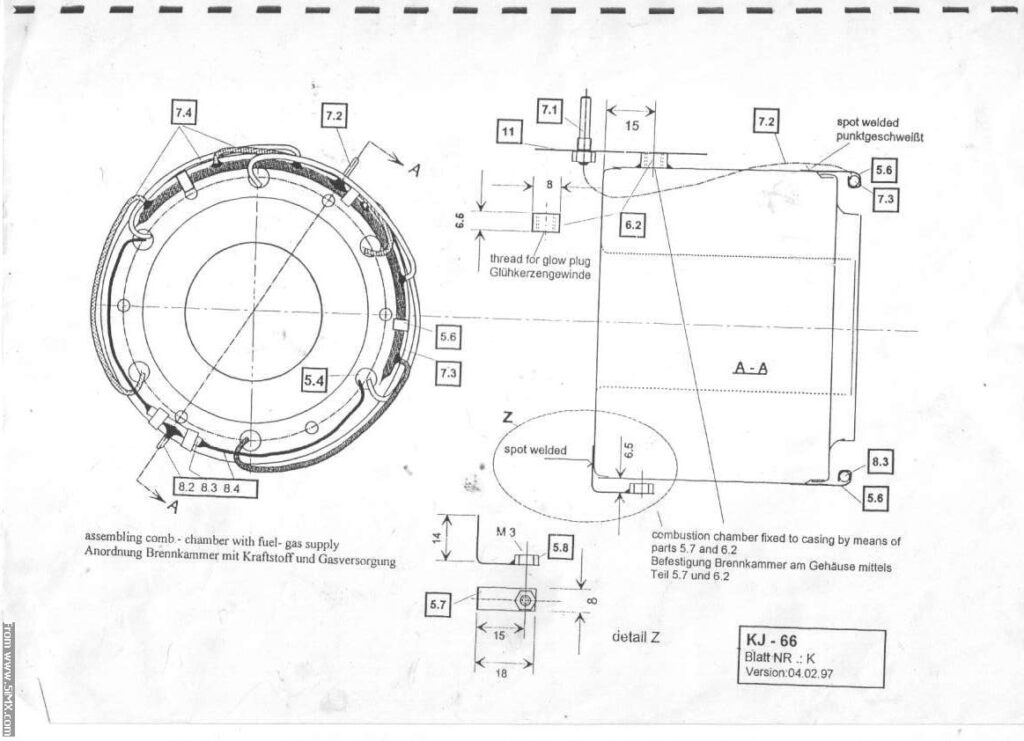
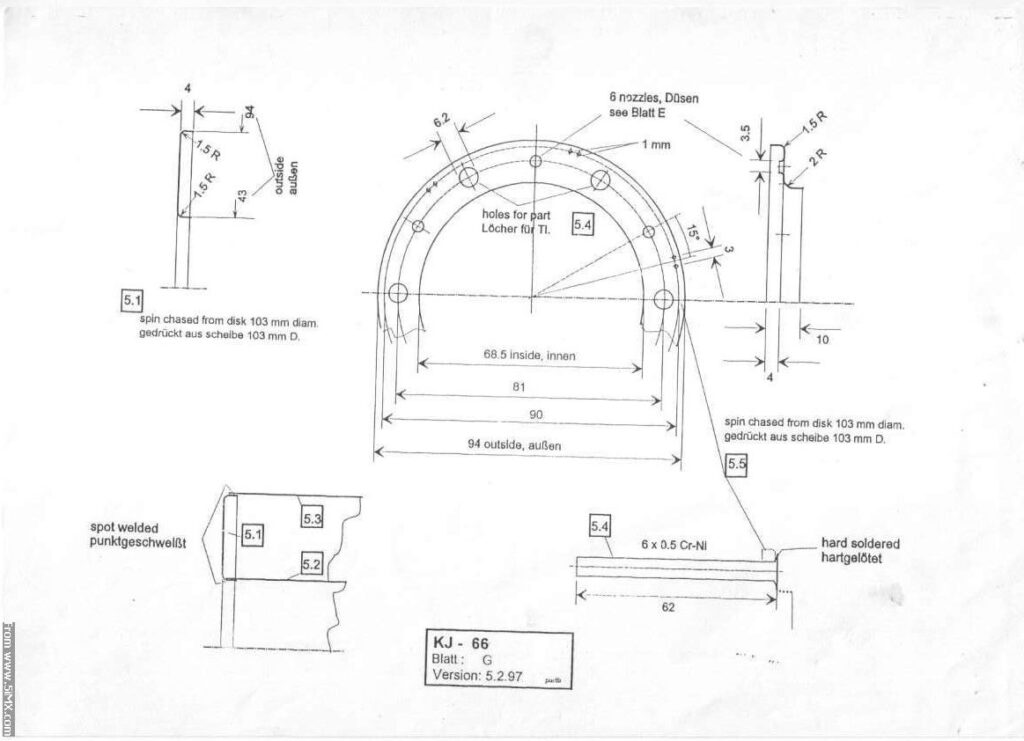
- Combustion Chamber: Manufactured using thin INOX sheet metal (0.3mm to 0.4mm thick) or equivalents like SS 310 or Inconel 600. The parts are held together using spot welding or TIG welding.